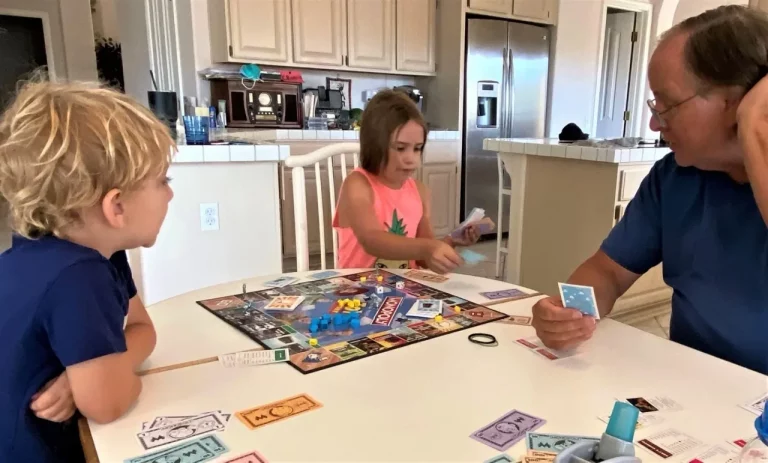
- Authentic moments shared with bon rush create lasting springtime memories together
- The History and Origins of Embracing Spontaneity
- The Cultural Impact of Prioritizing Connection
- Planning for Spontaneity: A Paradox?
- Creating a "Yes" Environment
- The Role of Technology in Fostering Spontaneity
- Mindful Technology Use for Enhanced Connection
- Beyond the Individual: The Community Aspect of Bon Rush
- Cultivating a Lasting Legacy of Joyful Moments
Authentic moments shared with bon rush create lasting springtime memories together
The arrival of spring often sparks a desire for connection, for shared experiences that linger in our memories. It’s a time when the world awakens, and so do our spirits, yearning for moments of joy and togetherness. This sentiment is beautifully captured by the ethos of bon rush, a concept centered around embracing the spontaneous, cherishing the present, and creating lasting bonds with those we hold dear. It's about more than just an event; it's a feeling, a tradition, a way to celebrate the vibrancy of the season.
The essence of springtime, with its blossoming landscapes and renewed energy, provides the perfect backdrop for cultivating these meaningful connections. Whether it’s a simple gathering with loved ones, an impromptu adventure, or a heartfelt conversation, the opportunities to create “bon rush” moments are boundless. These aren’t necessarily grand gestures, but rather the genuine, unscripted instances that weave themselves into the fabric of our lives, becoming cherished memories for years to come. The goal is simple: appreciate the moment and share it with someone special.
The History and Origins of Embracing Spontaneity
The idea of intentionally seeking out and savoring moments of spontaneous joy isn’t entirely new. Throughout history, various cultures have incorporated traditions that emphasize living in the present and appreciating the simple pleasures of life. From the Japanese concept of wabi-sabi – finding beauty in imperfection – to the French appreciation of joie de vivre, the desire to embrace life’s fleeting moments is a universal human experience. However, the specific articulation of deliberately creating “bon rush” experiences is a more recent development, gaining traction as a conscious counterpoint to the increasingly fast-paced and scheduled nature of modern life. It's a rejection of constant planning and a warm embrace of the unexpected.
The rise of social media and the pressure to curate a “perfect” life have ironically contributed to a longing for authenticity and spontaneity. People are increasingly aware of the gap between the idealized versions of reality presented online and the messy, beautiful reality of everyday life. This awareness has fueled a desire to disconnect from the digital world and reconnect with genuine human experiences. Seeking out "bon rush" moments can be seen as a way to reclaim control over one’s time and prioritize what truly matters: connection, joy, and presence. It is about shifting from passively consuming experiences to actively creating them.
The Cultural Impact of Prioritizing Connection
The emphasis on fostering deeper connections through spontaneous experiences resonates deeply with current cultural trends. There's a growing movement towards mindful living, prioritizing experiences over material possessions, and valuing human relationships above all else. “Bon rush” aligns perfectly with these values, offering a framework for intentionally incorporating more joy and connection into daily life. This paradigm shift isn't merely a lifestyle trend; it's a fundamental reevaluation of what constitutes a fulfilling and meaningful existence. This focus on experiences represents a deliberate step away from the consumerist culture that has long dominated Western society.
Furthermore, the concept of “bon rush” encourages a sense of community and shared vulnerability. When we embrace spontaneity, we open ourselves up to unexpected connections with others, fostering a sense of belonging and mutual support. It's a powerful antidote to the increasing isolation and loneliness that plague modern society. By intentionally seeking out opportunities for connection, we contribute to a more vibrant and resilient social fabric. The ripple effects of these positive interactions can be profound.
| Element of Spontaneity | Potential Benefit |
|---|---|
| Unplanned Outings | Strengthened Relationships |
| Impulsive Kindnesses | Increased Happiness and Well-Being |
| Embracing Unexpected Opportunities | Personal Growth and Discovery |
| Letting Go of Rigid Schedules | Reduced Stress and Anxiety |
The table above illustrates just a few of the benefits of embracing spontaneity. It’s clear that prioritizing these experiences can have a positive impact on both individual well-being and the broader community.
Planning for Spontaneity: A Paradox?
It may seem paradoxical to suggest “planning” for spontaneity, but it’s surprisingly effective. The goal isn't to meticulously schedule every moment, but rather to create the conditions that allow for spontaneous opportunities to arise. This might involve carving out dedicated “free time” in your schedule, saying “yes” to unexpected invitations, or simply being more open to new experiences. It’s about cultivating a mindset of openness and curiosity, rather than rigidly adhering to a predefined plan. It is about preparing yourself to recognize and seize opportunities when they present themselves.
One effective technique is to identify activities that inherently lend themselves to spontaneity. These might include exploring a new neighborhood, visiting a local farmers market, or attending a music performance without knowing the artist beforehand. The key is to choose activities that allow for flexibility and serendipity. Another helpful strategy is to surround yourself with people who are also open to spontaneous adventures. Shared enthusiasm can amplify the joy and create even more memorable moments. Cultivating a supportive network is essential.
Creating a "Yes" Environment
A "yes" environment is one where you challenge yourself to say yes to opportunities that you might normally decline. This doesn’t mean abandoning your boundaries or compromising your values, but rather being more willing to step outside of your comfort zone and embrace the unknown. Starting small can be helpful – say yes to a coffee date with a friend you haven’t seen in a while, or agree to try a new restaurant. These small acts of openness can gradually build your confidence and make you more receptive to larger spontaneous opportunities. Remember, the goal is to increase your capacity for joy and connection.
It's crucial to remember that saying "no" is equally important. Protecting your time and energy is essential for maintaining a healthy balance. The key is to be mindful of your boundaries and make conscious choices about how you spend your time. Don't feel obligated to say "yes" to everything, but be open to considering opportunities that align with your values and bring you joy. This balance is crucial for sustainable spontaneity.
- Prioritize mental and physical well-being to have the energy for spontaneous activities.
- Schedule dedicated "free time" each week for unplanned adventures.
- Cultivate relationships with people who embrace spontaneity.
- Practice saying "yes" to new experiences (within reasonable boundaries).
Ultimately, creating a space for “bon rush” in your life is about intentionally nurturing a sense of playfulness, curiosity, and openness to the unexpected.
The Role of Technology in Fostering Spontaneity
While it may seem counterintuitive, technology can actually play a role in fostering spontaneity. Apps and platforms that facilitate last-minute event planning, connect people with shared interests, or provide access to unique experiences can help create opportunities for “bon rush” moments. However, it’s important to use technology mindfully, ensuring that it enhances, rather than detracts from, the present moment. The danger lies in becoming overly reliant on technology and losing touch with the natural rhythms of life.
For example, location-based apps can help you discover hidden gems in your city, while social media groups can connect you with like-minded individuals who are also seeking spontaneous adventures. However, it's equally important to unplug from technology and be present in the moment. Avoid constantly checking your phone or documenting every experience for social media. The goal is to fully immerse yourself in the joy of the moment, rather than trying to capture it for posterity. Maintaining this balance is vital.
Mindful Technology Use for Enhanced Connection
One approach is to designate specific times for technology use and dedicated periods for “digital detox.” This allows you to fully disconnect and be present with the people around you. Another strategy is to use technology as a tool for connection, rather than distraction. For example, you could use a messaging app to coordinate a spontaneous gathering with friends, or share photos and videos of your adventures after the fact. The key is to use technology intentionally and mindfully, ensuring that it serves your goals of fostering connection and joy.
Consider using apps specifically designed to inspire spontaneous activities, like those offering daily challenges or suggesting nearby events. However, avoid letting these apps dictate your experience. The point is to enhance your spontaneous nature, not replace it with another structured event. Technology can be a facilitator, but shouldn’t be the source of the experience itself.
- Identify technology tools that support spontaneous connection.
- Establish boundaries for technology use to maintain presence.
- Use technology to facilitate, not dictate, experiences.
- Prioritize real-life interactions over digital ones.
By adopting a mindful approach to technology, you can harness its power to enhance your "bon rush" experiences without sacrificing the authenticity and joy of the moment.
Beyond the Individual: The Community Aspect of Bon Rush
While “bon rush” can be experienced individually, its impact is amplified when shared with a community. Creating opportunities for spontaneous connection within your local community can foster a sense of belonging and strengthen social bonds. This might involve organizing impromptu gatherings, supporting local events, or simply striking up conversations with strangers. These seemingly small gestures can have a ripple effect, creating a more vibrant and connected community for everyone. This communal aspect is essential for a thriving society.
Consider organizing a "bon rush" themed event in your area, encouraging people to embrace spontaneity and connect with their neighbors. This could be as simple as a pop-up picnic in a park, an impromptu street party, or a community art project. The possibilities are endless. The key is to create a welcoming and inclusive environment where people feel comfortable letting go of their inhibitions and connecting with others. Embracing this spirit can build resilience and joy within the community.
Cultivating a Lasting Legacy of Joyful Moments
The pursuit of “bon rush” isn’t merely about fleeting moments of joy; it’s about cultivating a lifestyle that prioritizes connection, presence, and authenticity. It’s about creating a legacy of joyful experiences that enrich not only your own life but also the lives of those around you. By intentionally seeking out and savoring these moments, we can build a more meaningful and fulfilling existence. This is a continuous process, a conscious choice to live life to the fullest. The impact of these small acts of joy can be surprisingly far-reaching.
Think about a time when a spontaneous gesture from someone else brightened your day. How did that moment make you feel? Now, consider how you can pay it forward, spreading a little bit of “bon rush” to others. It could be as simple as offering a compliment, performing a random act of kindness, or simply being present and attentive to someone in need. These small acts of generosity can have a profound impact, creating a ripple effect of positivity and connection. The enduring power of human connection should not be underestimated.